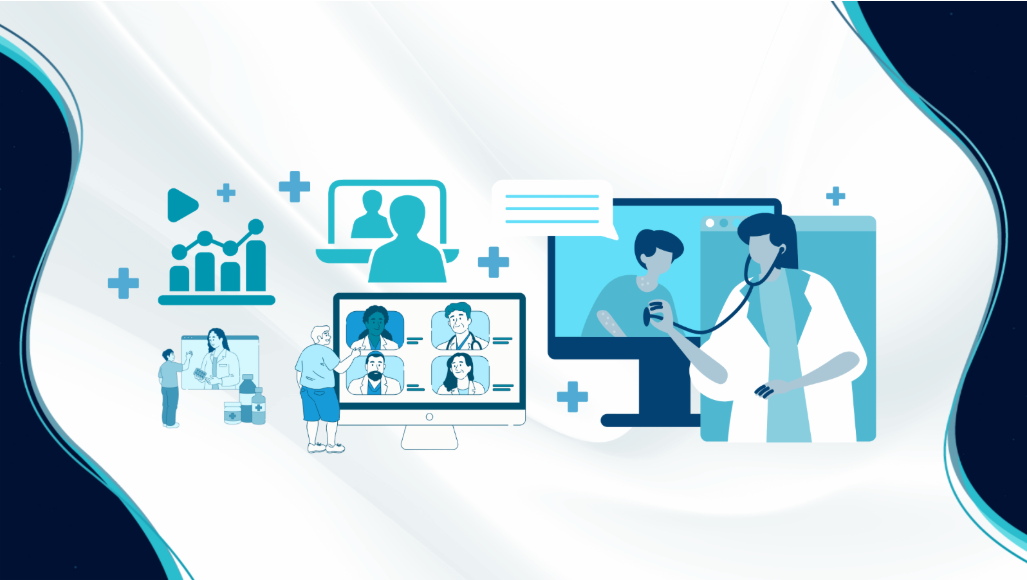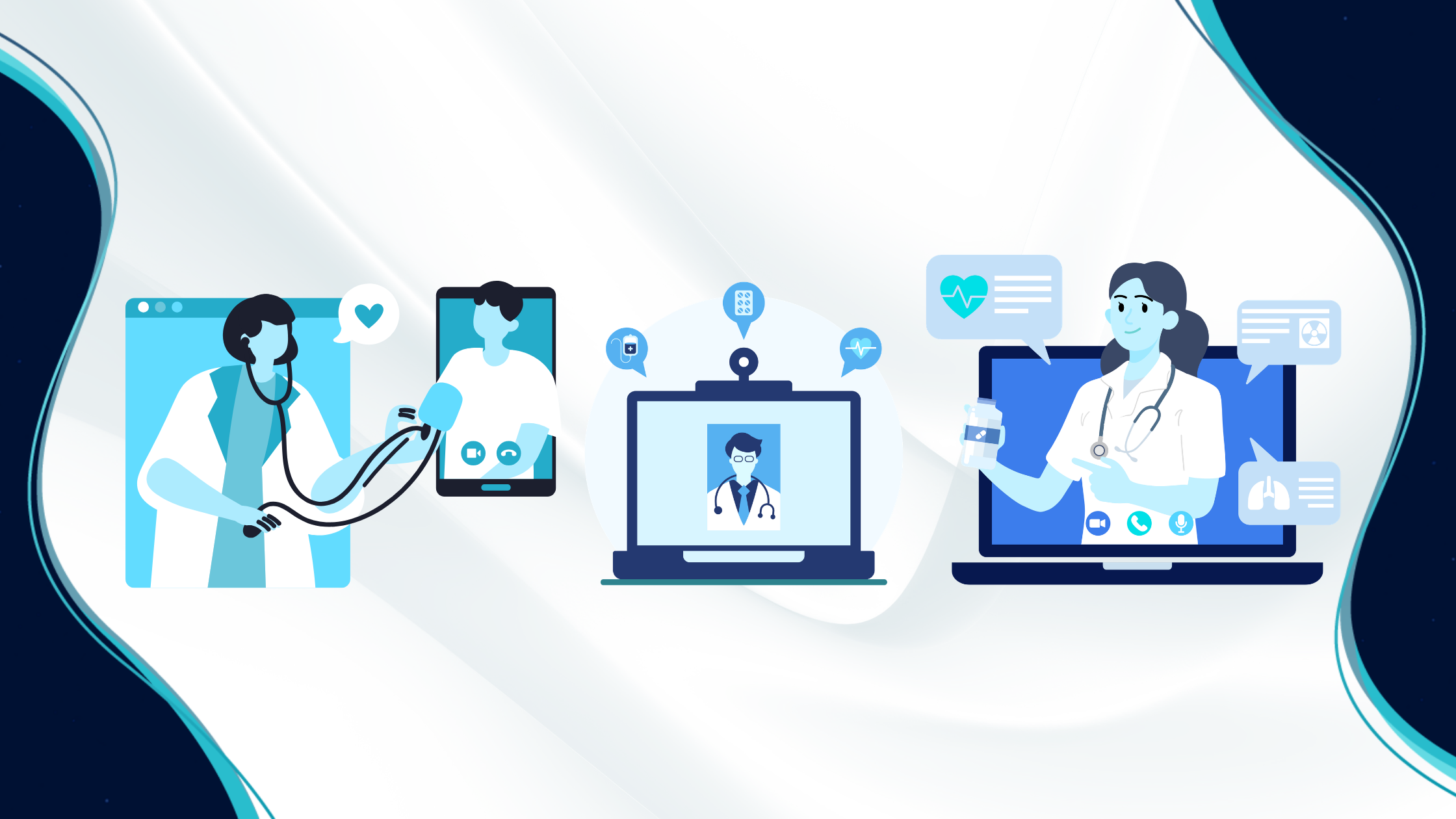
Marketing in the healthcare industry has seen many changes over the last decade. People don’t choose hospitals based on proximity or based on their family physician’s referral anymore. They use the Internet to research information, watch videos, compare stories, and try to comprehend what sets one health care system apart from another.
This development has prompted hospitals to change their image, communication, and approach to establishing credibility. Modern marketing within the healthcare industry revolves around transparency, simplicity, education, and authenticity. And because people understand better when they can see something, video and visual storytelling now sit at the core of how hospitals connect with communities.
This guide breaks down how health system marketing, hospital branding strategies, patient engagement, and community outreach work today; and why the future of healthcare communication depends heavily on simple, engaging, visual content.
Understanding Modern Health System Marketing
At its core, health system marketing helps people make informed and confident decisions about their care. But the way that information is delivered has changed dramatically. It was years ago when the hospitals used brochures with detailed texts. Nowadays, people have a demand for simple, clear, and fast information.
This is why health system marketing has moved toward short videos, visual explainers, and content that breaks down medical topics into everyday language. This approach respects how people naturally consume information today. Someone who might ignore a long article will often watch a 45-second video without hesitation.
Modern health system marketing strategies are built around this idea of simplifying communication. The more digestible the message, the more likely patients are to understand it; and trust it.
Why Marketing Matters More Than Ever
People choose hospitals emotionally as much as logically. Whether they’re looking for a specialist, a maternity center, or an emergency department, they want reassurance that they’re in the right hands. Marketing plays a huge role in shaping that feeling.
Effective communication reduces anxiety. Clarity in messaging eliminates confusion. Friendly images instill a feeling of comfort. Patients feel comfortable when they know about processes, meet their physicians in brief clips, and even peek behind the scenes, giving the brand a friendly face.
This is why health system marketing is no longer just a promotional tool; it’s a trust-building tool. A hospital that communicates clearly is a hospital people feel safe choosing.
The Real Meaning of Healthcare Branding
Branding is often misunderstood in healthcare. It’s not about having a beautiful logo or fancy colors. It’s about the personality a hospital shows through its communication.
When a hospital’s tone is friendly, its visuals consistent, and its messaging clear, the brand automatically feels dependable. When everything feels disjointed or overly complicated, patients interpret that as a sign of how the hospital might operate in real life.
Hospital branding strategies focus on clarity, warmth, and visual consistency. Patients should easily recognize the hospital’s style; whether they’re watching a cardiologist explain a heart condition, reading about a new service, or seeing a community outreach video.
A strong brand is one people feel connected to. Visual storytelling makes that connection easier because it allows people to see the hospital, its people, and its values.
How Branding Shapes Patient Engagement
Branding and patient engagement are more connected than most people realize. When branding feels human and communication feels simple, patients naturally pay more attention. They click, watch, follow, share, and reach out.
For example, a hospital that uses friendly doctor introduction videos will always feel more approachable than one that only relies on long bios. A health system that simplifies procedures through visual content will attract more engagement than one that expects patients to read through pages of dense text.
Hospital branding and patient engagement work together. The clearer the messaging, the more confident patients feel. The more confident they feel, the more involved they become in their own healthcare decisions.
The Shift in Health System Marketing Strategies
Marketing strategies in healthcare used to revolve around traditional advertising; billboards, radio ads, newspaper features, and long brochures. Those still exist but are no longer enough.
Patients today want something different such as clarity, speed, and visual guidance.
This has pushed health systems toward more modern strategies:
- Short, friendly video explainers
- Doctor-led educational content
- Real patient stories
- Service highlight videos
- Social-first health awareness campaigns
These health system marketing strategies reflect how people actually learn today. Dense text feels exhausting. Videos feel helpful and effortless. When you simplify something complicated, patients immediately trust you more.
Why Digital Marketing for Hospitals Needs a Visual Approach
Digital marketing for hospitals has become one of the most important parts of patient communication. Almost every patient journey begins online; even if the final decision happens offline.
People search for symptoms, doctors, success rates, recovery timelines, or hospital reviews. When they land on a hospital’s website or social media pages, the experience they have in the first few seconds determines whether they stay or leave.
One thing is clear, people prefer watching over reading when they’re trying to understand healthcare.
Videos make the assimilation process faster and more efficient for patients. Videos can take the patients through the process, explaining the procedure and what the patient should expect. This is why marketing strategies for hospitals are focusing on videos.
It meets patients where they already are, in a fast-scrolling, video-focused world.
The Rise of Healthcare Marketing Trends
Healthcare marketing trends have changed so quickly that many health systems are still catching up. But a few patterns are impossible to ignore.
The other trend involves the prevalence of video-based information. Irrespective of whether it is a brief awareness campaign video or a longer video explaining some health services, the medium has more impact on patients than textual information.
Another trend is the shift toward “humanized messaging.” Hospitals are moving away from overly clinical language. They’re showing real people, sharing honest stories, and helping patients understand their health in a relatable way.
Healthcare marketing trends also highlight a strong push toward interactive communication, webinars, social Q&As, and short educational clips that encourage questions. This builds trust and keeps the brand top-of-mind.
Overall, the direction is clear: patients want healthcare information that feels human and easy to understand.
Community Outreach in a Digital Era
Community outreach used to mean health camps, workshops, screenings, or school sessions. These still matter, but outreach has evolved far beyond physical locations.
Today, healthcare community outreach programs often begin with digital content. Hospitals post awareness videos, short health tips, seasonal information, and campaign-driven content that reaches thousands of people instantly.
A simple 60-second awareness video about blood pressure, diabetes prevention, or breast cancer signs can reach more people than an entire day of on-ground outreach. That doesn’t replace physical programs; but it expands their impact.
Modern healthcare community outreach programs blend physical presence with digital reach. This combination assists hospitals in creating good relations with their surrounding communities.
Visual Storytelling and Brand Identity
Hospital branding becomes effective when its meaning is understood by everyone. This is made possible through visual storytelling.
The moment people see a physician describing an ailment or go through the steps taken for a diagnosis, they immediately relate emotionally to the hospital. They feel enlightened, more assured, and confident when it comes to selecting the hospital.
Visual storytelling also helps keep the brand consistent. Everything from tone, color, style, and message stays consistent throughout all channels, including websites, social media, and displays in the waiting room. The end result is a professional and cohesive brand.
The Common Communication Challenges Hospitals Face
Hospitals often struggle with communication not because their message is wrong, but because it’s delivered in a format that patients find difficult to understand. The most common challenges include:
- Too much text and not enough visual explanation
- Inconsistent branding across departments
- Complex medical explanations presented in overly clinical language
Even the most helpful information can be overlooked if it’s not accessible. This is why so many health systems are shifting toward friendlier, more visual communication styles. It makes the same message far easier for patients to absorb.
Improving Patient Engagement Through Better Communication
Patient engagement improves dramatically when communication becomes easier to understand. Images create relaxation and clarity. Having a procedure illustrated, meeting the physician in advance, and seeing an illustration of how something is done makes everything much easier.
This kind of communication also keeps people involved outside of appointments. They revisit videos, share them with family, save health tips, or follow social content. The more approachable the information, the more engaged the patient becomes.
All these factors will result in increased engagement throughout the patient experience process.
Leadership’s Important Role in Healthcare Marketing
Leadership is a huge factor in the success of modern healthcare communication. If the leadership supports new strategy developments, emphasizes patient education, and understands the importance of having visual materials, everyone wins.
Marketing teams can work more efficiently. Doctors become active contributors to patient education. Outreach teams get better tools. The brand becomes stronger because everyone works together toward a single communication style.
Leadership alignment ensures the health system’s message stays consistent, no matter who is speaking, what department is involved, or where the content appears.
Building a Simple but Effective Marketing Plan
A modern marketing plan doesn’t need to be complicated. It needs to be patient-friendly, visually clear, and consistent across all channels.
A typical structure includes:
- Clear brand guidelines
- A strong digital presence
- Regular video-first educational content
- Ongoing community outreach
- Honest patient stories and transparent communication
The key point lies in how patients perceive their interaction with the brand of the hospital. As long as patients feel that they are well-informed and backed by support, trust will follow automatically.
Conclusion
Healthcare communication has shifted toward simplicity, clarity, and visual guidance; and patients prefer it that way. People want health information they can understand quickly without feeling overwhelmed. They want to see real doctors, real experiences, and real explanations before making decisions.
This is why health system marketing, hospital branding strategies, digital marketing for hospitals, and healthcare community outreach programs are all moving toward video-driven content. In simplifying the message, engagement increases. By showing rather than telling, trust increases. And by communicating like humans, healthcare becomes much more accessible.
Hospitals that use these techniques will have an easier time fostering better, more lasting connections with their communities, both offline and online.
FAQs
- How can hospitals keep their messaging consistent across multiple departments?
Consistency comes from a clear understanding of the rules as well as from a form of communication that is understood by everyone. The majority of hospitals have a centralized marketing team for the whole hospital system to ensure consistency.
- Why do patients respond more positively to visual explanations compared to long text?
Patients tend to process information much more efficiently when they get to see what they are told about. This is the reason why video-based marketing approaches have become very popular in healthcare systems today; they eliminate any ambiguity associated with understanding complicated procedures.
- What role do hospital staff and physicians play in shaping the brand?
A big factor in the identity of hospitals is the staff that patients meet. Doctors who become part of stories and videos about patients help promote branding and engagement by creating a sense of authenticity in the hospital’s brand.
- How does digital content influence the way communities view a hospital’s credibility?
Hospitals’ online communications are considered by communities. Through education articles, rapid tips, and videos to raise awareness, trust is generated. Hence, why digital marketing has become inevitable to hospitals because online presence builds trust over time.
- What can hospitals do to make their information more understandable for first-time patients?
Health facilities can opt for easy-to-understand descriptions, diagrams, and encouraging messages. A good number of health facility brand strategies today emphasize simple information content, thus alleviating anxiety among first-time patients.
- How are healthcare marketing trends shifting in response to patient behavior?
One other important change that can be noted is the use of short videos and learning through conversation. There are many trends in healthcare marketing based on storytelling using visual techniques because watching is much better than reading.
- How do healthcare community outreach programs stay effective in a digital-first world?
Outreach is no longer limited to being solely physical in nature. Outreach marketing, awareness videos, and social media content can assist in engaging with individuals who would never attend the event physically.
- Why is long-term brand trust becoming a key focus in modern health system marketing?
The patients have their preference for clear and familiar language while selecting hospitals. This trend has led to a focus on relationship-based communication in healthcare marketing campaigns, where the objective is to make the medical jargon easier and more human-oriented.