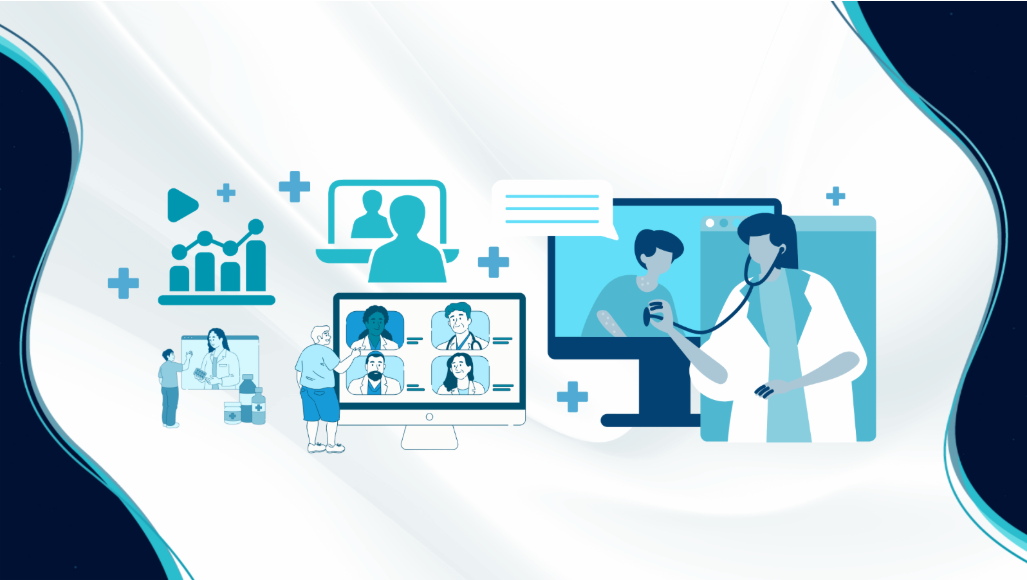
Healthcare CRM provides health systems a single place to manage patient interactions from lead acquisition, to appointment activity, outreach and follow-up. Marketing, access, patient experience, and service line teams can use CRM data to identify where a patient is in their relationship with the organization.
Video can give another dimension to those conversations. A CRM process can provide a physician introduction before an appointment, a procedure video after scheduling or recuperation content after discharge. The content is delivered to the patient as part of a planned communication workflow, not stored in a video collection, unused.
This article examines the role of video in healthcare CRM and how health systems may utilize it for patient communication.
What Healthcare CRM Manages
A healthcare CRM brings patient interactions into a shared system. It can connect marketing activity, appointment data, referral information, outreach, and engagement history across the organization.
For health systems, that data can help teams understand what a patient needs at different points in the relationship. A marketing team may track campaign engagement, while an access team focuses on appointment activity, and a service line tracks prospective patients. CRM gives these teams a common view of those interactions.
Video can then become part of the communication workflow. Instead of sending the same message to every patient, teams can use CRM data to determine which content fits a specific audience, service line, or point in the care journey.
Also Read: What High-Performing Health Systems Get Right About Healthcare Video
Where Video Enters the CRM Workflow
Video works best when it is tied to an action or event in the CRM. We want to be able to provide information to patients when it’s needed, when it’s relevant.
New Patient Information Request
If a patient fills out a form, or asks for information on a service, a relevant video may be sent to them in the follow-up workflow. An intro from a physician, a service line overview, or a condition explainer can provide extra context for the patient before the next engagement.
An Appointment Is Made
Appointment data can trigger information that helps prepare patients. A video can be sent to a patient who has an imaging scan, surgery or specialty visit scheduled to help the patient know what to anticipate and how to prepare.
A new diagnosis of a patient
CRM workflows can facilitate follow-up after diagnosis with condition-specific educational content. A clinician-led video can help explain essential topics and give patients a resource to return to after the talk.
Procedure On Track
Procedure-specific videos may be added to appointment reminders and preparation instructions. This may include information on arrivals, what to prepare, what to expect in recovery, and answers to typical queries.
A Patient Leaves the Hospital
Post-discharge workflows can provide videos that reaffirm prescription instructions, follow-up care, warning indicators, and recovery guidance. Patients and caregivers can review the content at home.
Patient Inactive
CRM data can be used to identify patients who have not had any interaction with a health system for some time. Supporting reactivation campaigns with relevant wellness, preventative care, or service line material
A Referral is Entered into The System
Physician profiles, specialty videos, and service line information can help referral teams communicate with referring physicians and potential patients.
What Video Adds to Healthcare CRM
CRM helps determine who should receive a message and when they should receive it. Video adds depth to that message.
More Context Around a CRM Message
An email or SMS can deliver a reminder. A video can explain what the patient should expect, why a step matters, or what happens next.
A Human Voice Inside Automated Communication
Automated workflows can handle timing and delivery, but patients still respond to people. Physician-led videos and care team content bring a human voice into CRM communication.
Consistent Messaging Across All Touchpoints
CRM campaigns enable you to serve the same approved video to email, patient portals, websites, and other digital channels. This allows teams to ensure core messaging is consistent throughout the patient journey.
Consistent Information Across Touchpoints
CRM campaigns can distribute the same approved video through email, patient portals, websites, and other digital channels. This helps teams keep core messaging consistent across the patient experience.
Connecting Video Data With Patient Engagement
Healthcare CRM software is better at using video when the team can observe how patients interact with the information. This provides marketing and patient experience teams with more than a view count to work with.
Track Video Interactions
Content that generates high watch time, completion rates, clicks and repeat views can engage patients. A significant drop-off point could be a hint of a confusing segment, or a video that’s too long.
Find Attention-Grabbing Content
Teams can use CRM and video analytics in order to find out what topics patients are interested in. One service line may experience a lot of engagement on procedure explainers, while another may see more interest in physician-led content.
Tie Video Engagement to Patient
Behavior Video engagement carries more weight when organizations can tie it to actions such as appointment requests, scheduling activity, resource downloads or service line inquiries. These signs help to find where video is helping the broader patient relationship.
Leverage CRM Knowledge to Improve Future Content
Engagement data can inform future manufacturing. If patients are always watching short doctor explanations, but not extensive commercial videos, the content strategy might reflect that.
Must Read: The Growing Role of Patient Education Videos Across Modern Health Systems
The Operational Side of Video and CRM Integration
For one, video and CRM integration is much more than just linking two systems. Health systems also need defined ownership, control, and protocols for the content that goes into patient communication.
Who Owns the Content?
Marketing may own distribution. Clinical teams own the accuracy of medical information. Set responsibilities before content enters an automated workflow.
Who Approves Clinical Messages?
Clinical subject matter experts should assess medical claims, treatment directions, and patient-facing guidance. A strict approval process ensures that patients don’t see out-of-date or incorrect data.
Where to Watch the Video?
Select a secure video environment that supports healthcare needs and regulated sharing. The CRM should be the driver of communication, not the repository of video assets or PHI.
How does the team keep the content current?
Create review timelines and owners for content in videos used in recurring CRM campaigns. This will help teams to catch incorrect provider information, outdated treatment recommendations, and service descriptions before they cause confusion.
What if the clinical information changes?
A change in a protocol or treatment recommendation could impact multiple videos at once. A strong content governance strategy will help teams find the problematic assets, update them, and retire the outdated versions from active workflows.
How do teams collaborate?
Communication workflows may involve marketing, clinical, IT, patient experience, and service line teams. Clear responsibilities and permission processes mean production and distribution isn’t a roadblock.
HIPAA and Healthcare CRM Video
When video enters a healthcare CRM workflow, HIPAA compliance needs to stay part of the process. Patient data may dictate who receives a message, and the video itself may contain clinical information or PHI.
Safeguarding PHI
Don’t let protected health information end up in unprotected video pipelines. Health systems should govern where videos live, who may get access to it, and how it is distributed by teams.
Patient Consent Management
Patient experiences, testimonials, and other identifiable content require appropriate consent. Marketing and communications teams must adhere to corporate regulations prior to integrating this content into CRM campaigns.
Control Access
Role-based access helps restrict sensitive content to authorized users. This is relevant when teams use patient-facing videos along with internal clinical or operational content.
Selecting Secure Video Infrastructure
A HIPAA-compliant video platform should also include secure hosting, regulated distribution, and adequate administrative controls. The video platform can offer content while the CRM manages the communication workflow.
Ensuring Workflow Compliance
Compliance must include the whole journey from document production and storage to CRM automation and patient access. Shared processes for handling sensitive content are needed for marketing, clinical, and IT departments.
Where Healthcare Video Marketing Fits
Healthcare video marketing may promote patient acquisition, service line expansion, and continuous engagement by linking CRM data to campaigns. The CRM provides audience and marketing data, while video provides a more effective way to deliver the message.
Patient Acquisition Campaign
A health system could use video to introduce its physicians, explain its services, or answer typical inquiries of potential patients. CRM data can help teams deliver information relevant to the patient’s area of interest.
Campaigning for service lines
Video can be used in focused outreach for cardiology, cancer, orthopedics, women’s health and more service areas. CRM segmentation enables teams to reach audiences with a relevant need or interest with content.
Medical Marketing
Physician profile videos allow potential patients to get a sense of a provider’s skills, style, and areas of interest. These videos might be included in campaigns related to provider searches or appointment activities.
Referral Outreach
Health systems can conduct physician interviews, specialty overviews, and clinical education videos to communicate with referring providers. CRM data helps teams structure outreach by expertise, referral history or line of service.
Retention & Reactivation Campaigns
Video can be used to remind patients to take preventive care, reach out about wellness and run service-specific ads to those who haven’t engaged with the health system in a while.
Community health programs
Health systems can use video to help with public health efforts, screenings, wellness programs, and community activities. CRM data can help teams reach the right audiences without having to rely on broad, untargeted distribution.
How Cyrano Video Fits Into Healthcare CRM Communication
Healthcare CRM is most powerful when teams can match the correct message to the right patient interaction. Cyrano Video allows health systems to add video to these workflows without treating video as a separate communication channel.
Cyrano enables video material, including physician intros, service line content, patient education videos and post-visit resources, that fit into larger patient communication programs. Health systems can use video for marketing, patient experience, and clinical communication while still having an organized way to manage information.
Cyrano also offers support on the production side, helping clients generate healthcare video content that fits into their CRM campaigns and communication goals.
Schedule a discovery call to see how Cyrano Video can support your healthcare CRM and patient communication strategy.
FAQs
1. What is the function of video in healthcare CRM?
Video makes healthcare CRM communication more personal. Rather than sending patients another text-heavy message, health systems may utilize video at the best point in the patient experience, such after an appointment, before a procedure, or during follow-up.
2. Can healthcare CRM enhance patient communication?
A healthcare CRM provides teams with a sharper understanding of a patient’s communication history and interests. This makes it easy to send information that suits the patient’s condition. Video can provide an additional layer to that communication, especially when the subject is difficult to express in a brief email or message.
3. How do health systems use video for patient communication?
There are many practical applications. A health system might send a physician intro before an appointment, a procedure explainer before treatment, or a follow-up video after discharge. Videos can also be used to help service line marketing, patient education, referrals, and broader patient communication.
4. Can video be integrated into healthcare CRM workflows?
Yes, a CRM can send a video based on a patient’s action or at a certain point in their care journey. For example, a patient preparing for a procedure might be sent a video. In this case, the CRM drives the workflow, and the video platform delivers the content.
5. Is video HIPAA-compliant with a healthcare CRM?
Video can be integrated into a HIPAA-compliant CRM workflow, but the entire process must be HIPAA-compliant. This includes secure video hosting, appropriate access management, patient permission where needed, and PHI security throughout the process.
6. How can health systems use CRM for measuring video engagement?
Health systems have more to consider than merely video views. Watch time, completion rates, clicks, appointment activity, resource downloads, and other patient behaviors can reveal what happens after someone watches a video. When such KPIs are integrated with CRM data, companies can understand how video fits into the whole patient communication journey.
7. What kind of video works well with a healthcare CRM?
The best videos are often ones that answer a question or help a patient move forward. Useful alternatives for CRM efforts include physician introductions, procedure explainers, patient education, service line videos, follow-up content, wellness video content, and referral videos.