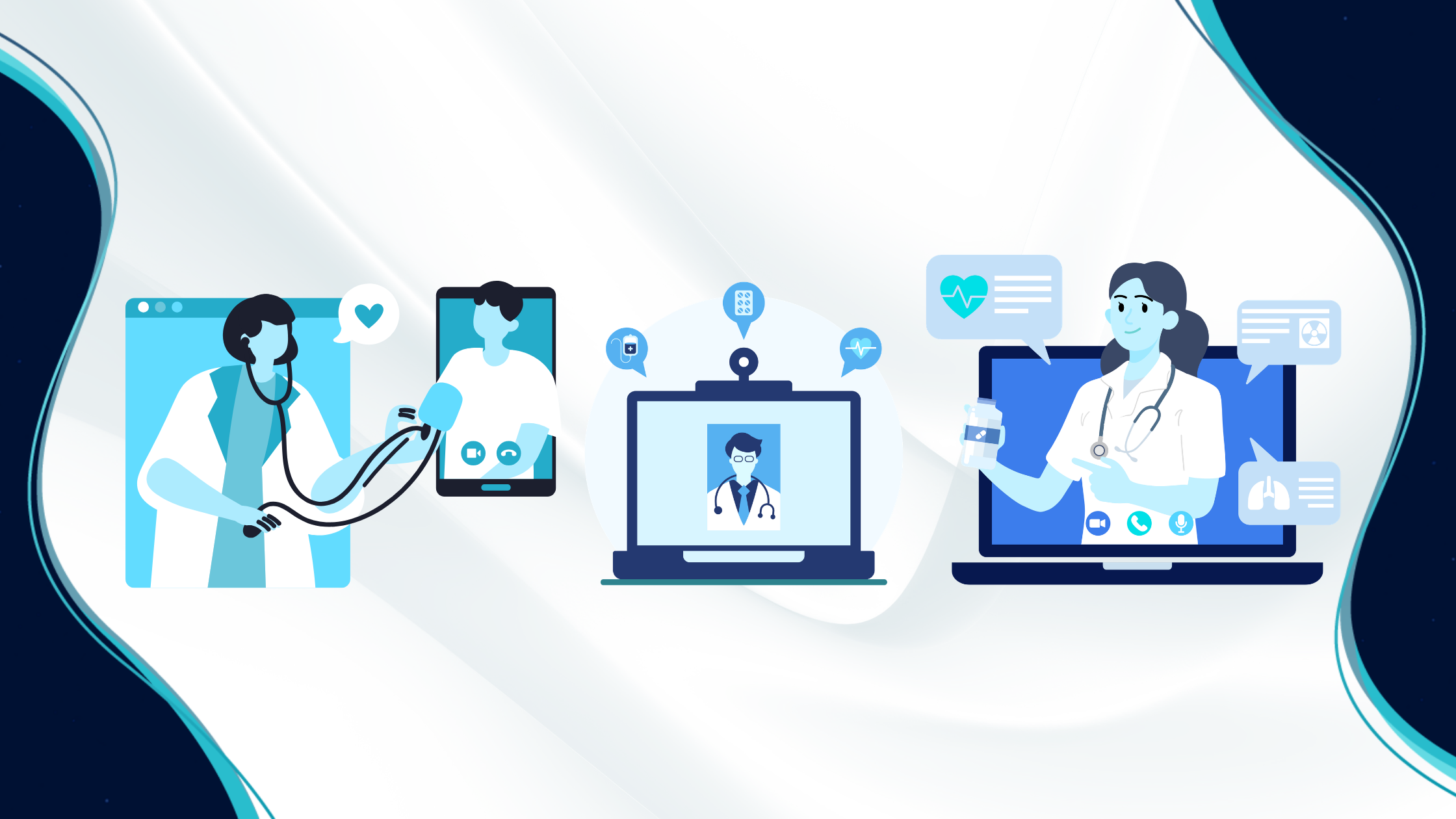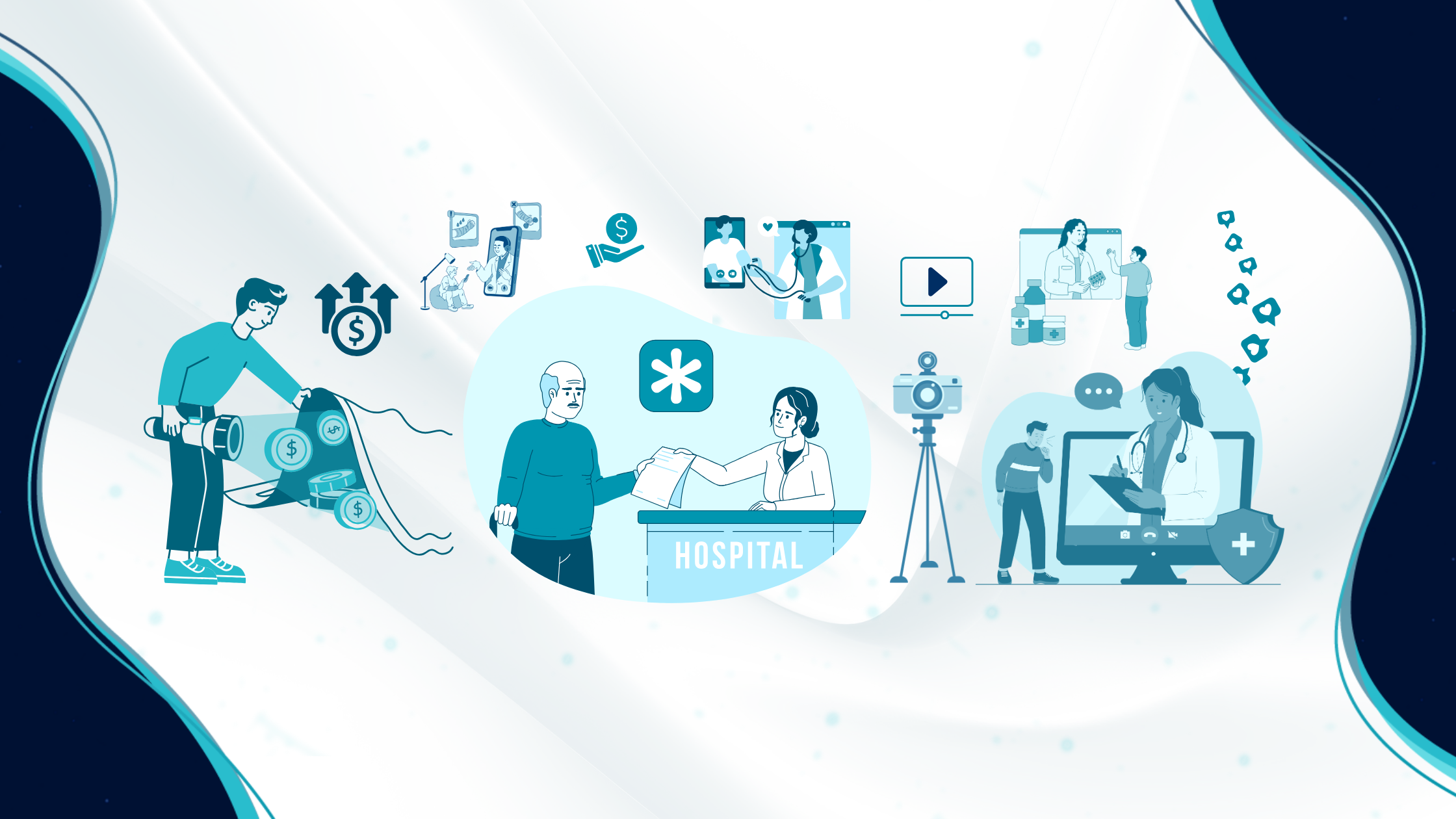
Accurate information is key to every patient interaction. Patients need to know their care, make informed choices, and follow treatment with confidence from the first appointment through to discharge and recovery.
One conversation can lead to a ripple effect of communication breakdowns. Patients arrive unprepared, misunderstand key instructions, or have difficulty managing their recovery at home. Such errors can create barriers for patients and their health care teams that are not necessary.
According to the Agency for Healthcare Research and Quality, communication breakdowns are a factor in most serious adverse events reported in healthcare. As health systems continue to invest in clinical quality, communication is one of the most powerful influences on patient experience.
This article examines the hidden cost of poor healthcare communication and how video helps health systems deliver clearer, more consistent patient communication.
Poor Healthcare Communication Costs More
A patient who misunderstands pre-surgery instructions may arrive unprepared. It affects how patients prepare for care, how confident they feel in making decisions, and how successfully they follow treatment plans. These consequences often affect the entire corporation.
1. Confused Patients
Every day, patients make important decisions. Therefore, when instructions are vague or hard to find, uncertainty increases, and confidence decreases.
2. Repeated Questions
Care staff often find themselves answering the same questions about surgeries, drugs, appointments and recovery. Clear instructional resources help people obtain those answers before they need to inquire again.
3. Disappointing Results
Patients who do not know what to expect before treatment and during recovery may be nervous or frustrated even when they are receiving good clinical care.
4. Lowered Confidence in Care
Patients trust the information they receive through straightforward communication. But that trust is more difficult to establish when communications are inconsistent across departments or providers.
5. Increased Staff Pressure
Staff spend a lot of time re-explaining, re-clarifying instructions, and answering unnecessary questions. Constant communication with patients eases that strain, while also making for a better experience for everyone concerned.
Communication Problems Often Start Before the Appointment
Many patients start their care journey online. They look for symptoms, remedies, specialists, and what to expect on a visit. When information is limited, patients approach with questions that are not answered or with wrong assumptions.
Open communication before an appointment leads to patient success and confidence. Procedure guides, patient education videos, physician introductions and pre-visit instructions eliminate confusion and enable patients to make the most of their time with the care team.
Every Conversation Doesn’t End When the Visit Does
Patients sometimes only remember part of what is said during a visit, particularly when presented with a new diagnosis or treatment plan. Questions often arise after they return home, when providers are no longer there to explain the next steps.
Video helps carry those conversations further beyond the exam room. Discharge instructions, medication instructions, recovery videos, and follow-up education give patients and caregivers a trusted resource they can always refer back to. That ongoing access results in better communication with the patient much beyond the visit.
Why Video Solves Problems That Written Content Often Can’t
Written material is still a big element of patient education, but some conversations are better explained using visuals. Healthcare frequently consists of method, equipment, recovery instructions, and care plans that patients can see more easily.
Makes Complex Topics Easier
Videos can show a process, describe the mechanics of a treatment, or help patients understand recovery in a way that’s more intuitive than written instructions.
Patients Can Learn at Their Own Speed
Appointments go fast, and patients may not remember all the details. Video lets them pause, rewind, and go back to the knowledge if questions arise.
Families Receive the Same Advice
Caregivers often help with medications, transportation, wound care, and follow-up clinics. Videos make sure that everyone involved has the same information, even if they weren’t able to attend the visit.
Supports Different Learning Styles
Some patients enjoy reading. Some people learn more easily when they see and hear the material. By offering both formats, healthcare companies may communicate with a wider group of patients.
Providers Spend Less Time Repeating Routine Information
Providers are able to get right to the core of a procedure or condition when they are familiar with it before they arrive.
Creates Consistency Throughout the Organization
Educational videos are a standardized way of communicating with physicians, nurses, and clinical teams. All patients receive the same essential information, regardless of where they are being cared for.
What Strong Healthcare Communication Looks Like
Good healthcare communication builds confidence for patients on their care journey. They know where to get solid information, what to expect next, and feel at ease asking questions about their treatment.
You don’t build that kind of experience in one talk. It comes from consistent communication before, during and after each visit. Education pieces help patients prepare for their appointments. Patient education videos supplement the explanations provided by medical professionals in consultations. Discharge tools make it easy to follow up on recovery, and follow-up information keeps patients in the loop when they’re back home.
The impact extends beyond the patient experience. Providers spend less time answering the same questions, caregivers have the knowledge they need to promote recovery, and care teams are on the same page across departments. That consistency over time builds trust, improves patient communication, and creates a more connected care experience.
Five Questions Every Healthcare Leader Should Ask About Their Communication Strategy
Good communication begins with honest evaluations. Before creating new content or spending on healthcare video production, health systems need to know where communication is working and where patients could use more help.
Can Patients Find Answers Before They Contact Us?
Many of the patients start their search online. Without clear, trustworthy information, they may go away confused or turn to less trusted sources.
Are We Asking the Same Questions Every Day?
Repeated questions often indicate a chance to communicate. Educational materials, patient education videos, and FAQs might help resolve issues before reaching out.
Can Patients Revisit Important Information?
Appointments are a very condensed type of information. Resources that are helpful for patients and caregivers to go back to after they leave the hospital or clinic are useful.
Is Our Communication Consistent Across Every Location?
Patients should get the same straightforward advice no matter who they see or where they go. Consistent communication builds confidence and a more dependable care experience.
Does Our Content Reflect the Patient Journey?
Patients need varied information before appointments, during treatment, and in recovery. Reviewing information from the patient’s perspective can help identify areas where communication might be improved with more resources.
How Cyrano Video Helps Health Systems Improve Healthcare Communication
Video can fix many communication problems in healthcare, but only if each video has a specific goal. This is why Cyrano Video helps hospitals and health systems establish a plan, not a one-off content.
And every video must have a wider purpose, whether it’s for patient education, community outreach or internal communication.
1. Video Messaging: Have clear and trustworthy messaging to define what you want to convey, and who needs to receive it.
2. Video Marketing: Utilize video to promote your services, showcase your providers, and develop trust in your company.
3. Video Communication: Improve communication at every point of the patient experience and within your health system, with clear, instructive video material.
If your health system is ready to tell more stories using video, book a discovery call with Cyrano Video. We’d love to hear about your goals and how a purposeful video strategy may help achieve them.
Frequently Asked Questions
1. Why does communication matter in health care?
Good communication keeps patients informed about what’s happening and what they need to do next. Those who leave with the proper information are more likely to follow their treatment plan, ask the right questions, and feel secure about their care. It also helps to gain the trust of the patients and their care staff.
2. How can poor communication affect patient outcomes in healthcare?
When communication breaks down, patients may misinterpret instructions, miss appointments, or delay treatment. They may leave with questions still unanswered or may have to call their care team back just to obtain clarity. That can affect both patient satisfaction and health outcomes over time.
3. How can video be utilized to improve communication in health care?
Some things are easier to understand when you can see them. Video is a great medium for explaining operations, preparing patients for appointments, answering frequent concerns, and walking individuals through recovery once they go home. It is also available for patients to watch later if they need a refresher.
4. What healthcare videos help with patient communication?
The most useful videos are dependent on where a patient is in their care. Videos on education, procedures, introducing your doctors, discharge instructions, how to recover and preventative care help patients know what to expect and what to do next.
5. How are health systems leveraging video to improve patient communication?
Many health systems now use video at all points in the patient experience. Patients can watch a video before an appointment, receive a video outlining a treatment plan, or get post-discharge rehabilitation instructions. Some groups also use video to educate their communities about preventive care and public health.
6. What are the indications of poor communication in healthcare?
You will notice the same problems come up again and again. Patients ask the same questions, they confuse their treatment plan, they miss follow-up visits, or they get various responses to the same question from different departments. And many depart without much of a clue what to do next.
7. What qualities should healthcare companies look for in a partner for healthcare video production?
Select a team that gets health care, not simply video production. They must translate medical knowledge into plain language, provide material that is accessible to patients, and generate videos that integrate seamlessly into your organization’s communication plan.